Panchakarma Treatment in Kerala: Your Complete 2025 Guide
In This Article
Panchakarma Treatment in Kerala: Your Complete 2025 Guide

Updated on March 13, 2026

Medically verified by
Fact checked by
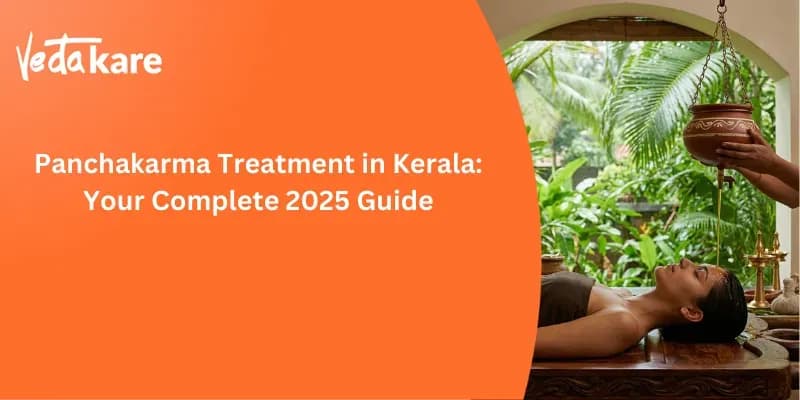
Panchakarma
8 minutes
Kerala, India's lush southern state, is more than a travel destination ,it is the birthplace of authentic Ayurveda. And at the heart of Kerala's Ayurvedic healing tradition sits Panchakarma: a five-fold detoxification therapy that has been transforming lives for over 3,000 years. Whether you are managing a chronic condition, recovering from long-term stress, or simply seeking a deep reset for your body and mind, Panchakarma in Kerala offers something no quick wellness retreat can match. This guide covers everything you need to know ,what Panchakarma is, how it works, how much it costs, which hospitals to trust, and how to plan your journey seamlessly.
What is Panchakarma? Understanding the Five Core Therapies
The word Panchakarma literally means 'five actions' in Sanskrit. These five therapeutic actions collectively cleanse the body of accumulated toxins, called ama in Ayurveda, restore the balance of the three doshas (Vata, Pitta, and Kapha), and strengthen overall immunity. Unlike modern detox programmes, Panchakarma is deeply personalised. A qualified Vaidya (Ayurvedic physician) designs your treatment plan after a detailed assessment of your constitution (Prakriti) and your current imbalances (Vikriti).
1. Vamana- Therapeutic Emesis
Vamana is a controlled medicated vomiting procedure that eliminates excess Kapha dosha from the upper body. It is the primary treatment for respiratory conditions, including bronchial asthma, chronic sinusitis, and allergic rhinitis, as well as skin disorders and obesity. Patients are first administered oleation and steam therapies to mobilise toxins, followed by the emesis process under strict supervision.
2. Virechana- Purgation Therapy
Virechana uses specially formulated herbal laxatives to purge excess Pitta dosha from the liver, gallbladder, and small intestine. This therapy is highly effective for digestive disorders, liver conditions, skin diseases, including psoriasis and eczema, and managing Type 2 diabetes. A typical Virechana programme lasts 5 to 7 days as part of a broader Panchakarma protocol.
3. Basti- Medicated Enema Therapy
Considered the most powerful and most frequently used Panchakarma therapy, Basti introduces herbal decoctions or medicated oils into the colon through the rectum. Because Vata dosha is primarily located in the colon, Basti is the most direct treatment for all Vata-related conditions ,including rheumatoid arthritis, lower back pain, sciatica, neurological disorders, and constipation. There are two types: Niruha Basti (herbal decoction enema) and Anuvasana Basti (oil enema).
4. Nasya - Nasal Administration
Nasya involves the administration of medicated herbal oils or powders through the nasal passages. Since the nose is considered the 'doorway to the brain' in Ayurvedic texts, Nasya effectively clears toxins from the head, neck, and sinus region. It is the first-line treatment for migraines, chronic sinusitis, cervical spondylosis, facial paralysis, and many neurological conditions.
5. Raktamokshana -Therapeutic Bloodletting
Raktamokshana is the removal or purification of impure blood, traditionally performed using leech therapy (Jalauka) or using venesection techniques. This therapy is specific to blood-borne disorders and Pitta-vitiated conditions, including varicose veins, gout, chronic skin diseases, and localised inflammatory conditions. Leech therapy in particular has seen renewed scientific interest due to the anticoagulant properties of leech saliva.
Important: Not all five therapies are administered to every patient. Your Vaidya will select two to three specific therapies based on your health profile, age, constitution, and current condition. The right combination is what makes Panchakarma effective ,not the number of therapies.
Why Kerala is the World's Best Destination for Panchakarma
Panchakarma is practised across India, but Kerala occupies a uniquely special position for several well-documented reasons:
- Unbroken Tradition: The Kerala school of Ayurveda ,particularly the Ashtavaidya system ,has been practised continuously for over 1,000 years within specific family lineages, preserving classical knowledge that has been lost elsewhere.
- Optimal Climate: Kerala's humid, warm, and monsoon-rich climate is considered physiologically ideal for Ayurvedic therapies. The moisture-laden air opens the pores, enhances the absorption of herbal oils, and supports deeper cleansing. This is why the monsoon season (June to August) is considered peak Panchakarma time.
- Authentic Raw Materials: The Western Ghats ,one of the world's eight biodiversity hotspots ,provides Kerala's hospitals with direct access to over 600 medicinal plants used in classical Ayurvedic formulations. These cannot be replicated with equal potency elsewhere.
- NABH-Accredited Hospitals: Kerala's leading Ayurvedic hospitals hold accreditation from India's National Accreditation Board for Hospitals (NABH), providing internationally recognised quality assurance.
- Generational Expertise: Kerala's Vaidyas often represent the 8th to 12th generation of Ayurvedic practitioners within their families, combining classical education with decades of clinical experience.
Frequently Asked Questions About Panchakarma in Kerala
Is Panchakarma safe?
Panchakarma is safe when performed by qualified Vaidyas in accredited hospital settings. Vedakare only partners with NABH-accredited hospitals. Self-administered or unlicensed Panchakarma can be harmful ,always seek professional guidance.
What is the best time of year for Panchakarma in Kerala?
The traditional answer is the Karkidakam month (mid-July to mid-August) during the Kerala monsoon ,when the climate is considered most ideal for Ayurvedic absorption. However, with modern hospital infrastructure, Panchakarma can be effectively performed year-round in Kerala.
bHow do I get a medical visa for Panchakarma in India?
India issues a dedicated Medical Visa (MedVisa) for patients seeking hospital-based treatment. You need a treatment letter from the Indian hospital plus standard passport documents. Vedakare provides full documentation support and has a high visa approval rate. See our Medical Visa Guide for step-by-step instructions.
Can Panchakarma be combined with modern medical treatment?
Yes ,and increasingly it is. Kerala's leading hospitals work collaboratively with conventional medical providers, and many international patients undergo Panchakarma as complementary treatment alongside conventional therapies for neurological, musculoskeletal, and chronic metabolic conditions.
How do I book Panchakarma through Vedakare?
Contact Vedakare via WhatsApp (+91 77360 37770), phone, or through the online booking form at vedakare.com. A Patient Relationship Manager is assigned to your case within 24 hours and will prepare a personalised treatment plan, hospital recommendation, and cost estimate at no charge.

Get a Callback Now
How Long Does Panchakarma Take? Duration & Programme Guide
The duration of your Panchakarma programme depends on your health condition, goals, and the recommendation of your Vaidya. Here is a breakdown of the standard programme lengths:
| Duration | Programme Content | Best For | Approx. Cost (INR) |
|---|---|---|---|
| 7 Days | Preparatory therapies + 1–2 core treatments | Stress relief, first-time patients, general wellness | ₹25,000 – ₹45,000 (USD 300–540) |
| 14 Days | Full Purvakarma + 2–3 main therapies | Chronic conditions, deeper detox, metabolic reset | ₹45,000 – ₹85,000 (USD 540–1,020) |
| 21 Days | Complete Panchakarma protocol + Rasayana | Serious health conditions, full body-mind restoration | ₹80,000 – ₹1,50,000 (USD 960–1,800) |
| 28+ Days | Extended Panchakarma + Rasayana rejuvenation | Post-surgical rehabilitation, anti-ageing, deep healing | ₹1,20,000+ (USD 1,440+) |
Note: Costs above are for treatment, Vaidya consultations, and herbal medicines only. Accommodation, meals, and travel are typically additional. Vedakare's all-inclusive packages combine all elements.
The Three Phases of Your Panchakarma Journey
A classical Panchakarma programme is not simply a series of treatments; it is a carefully structured three-phase process:
Phase 1: Purvakarma Preparation (Days 1–5)
Your body is prepared for deep cleansing through two primary processes. Snehana (internal oleation and full-body oil massage called Abhyanga) loosens toxins embedded in deep tissue. Swedana (steam therapy) dilates the channels and moves those toxins toward the digestive tract for elimination. This preparatory phase is what separates authentic Panchakarma from superficial spa treatments.
Phase 2: Pradhanakarma, Main Treatments (Days 5–18)
The core Panchakarma therapies selected by your Vaidya are administered during this phase. Throughout this period, patients follow a specific therapeutic diet called Sansarjana Krama ,primarily light khichadi, herbal soups, and warm liquids ,to support the elimination process and prevent re-toxification.
Phase 3: Paschatkarma, Rejuvenation (Final Days)
The body is gradually returned to full function through specific dietary guidelines, herbal supplementation (Rasayana), yoga and pranayama, and lifestyle counselling. Significantly, you leave with a personalised wellness plan designed to sustain your results at home.
Who Should Consider Panchakarma in Kerala?
Panchakarma produces the most significant results for people managing:
- Musculoskeletal conditions: rheumatoid arthritis, osteoarthritis, gout, lower back pain, cervical spondylosis
- Neurological conditions: Parkinson's disease, stroke recovery, multiple sclerosis, neuropathy
- Lifestyle diseases: Type 2 diabetes, hypertension, obesity, metabolic syndrome
- Digestive disorders: IBS, chronic constipation, liver conditions, malabsorption
- Mental health and stress: anxiety, insomnia, burnout, depression (as complementary therapy)
- Skin conditions: psoriasis, eczema, chronic urticaria, acne rosacea
- Post-surgical or post-illness rehabilitation
Panchakarma is not suitable for pregnant women, individuals with acute infections, very elderly or very frail patients, or those with certain cardiovascular conditions. Your Vaidya assessment is mandatory before any programme begins.
Top NABH-Accredited Hospitals for Panchakarma in Kerala (Vedakare Partners)
All Vedakare partner hospitals have been carefully vetted for physician credentials, treatment quality, patient care standards, and accreditation. Here are our top recommended hospitals:
| Punarnava Ayurveda Hospital | Location | Speciality | More Info |
|---|---|---|---|
| Punarnava Ayurveda Hospital | Kochi | Neurological & orthopaedic Panchakarma | vedakare.com/hospital/punarnava |
| Sanjeevanam Ayurveda Hospital | Kochi | Detox & rejuvenation programmes | vedakare.com/hospital/sanjeevanam |
| Ilaj Ayur Heritage Hospital | Malappuram | Classical Kerala Panchakarma | vedakare.com/hospital/ilaj-ayur |
| Ayurgiri Ayurveda | Kochi | International patients, multilingual support | vedakare.com/hospital/ayurgiri |
| Samwarthika Ayurveda Hospital | Kochi | Chronic disease management | vedakare.com/hospital/samwarthika |
The 2026 Landscape: Ayurveda's Global Surge
Before diving into the therapies, it is important to note the scale of this healing tradition. Based on the latest 2025 - 2026 reports from the Ministry of Ayush and the Press Information Bureau (PIB), Ayurveda has reached a historic peak in global trust:
- Massive Reach: Over 33.95 Crore (339.5 Million) patients visited Ayush centres recently, driven by the government’s upgrade of 12,500 dispensaries into Ayushman Arogya Mandirs.
- Kerala’s Dominance: At the 2026 International Ayurveda and Wellness Conclave, it was revealed that Kerala’s medical value tourism revenue reached ₹13,500 crore ($1.6 billion), with Panchakarma remaining the #1 requested treatment.
- International Trust: With over 600,000 medical visas expected to be issued in 2026, Kerala alone saw 7.4 Lakh foreign arrivals, with nearly 70% specifically seeking Panchakarma.

Kerala is the Birthplace of Panchakarma: Kerala's unbroken 1,000+ year Ayurvedic tradition, monsoon climate, and Western Ghats herb supply make it the only authentic global source for classical Panchakarma.
Five Therapies, One Personalised Plan: Panchakarma's five core therapies (Vamana, Virechana, Basti, Nasya, Raktamokshana) are never applied uniformly — your Vaidya selects 2–3 based on your unique health profile.
Duration Matters — 21 Days is Optimal: A 7-day programme provides stress relief; a 21-day full programme is needed for serious chronic conditions. Rushing Panchakarma reduces its therapeutic impact significantly.
Significantly More Affordable Than Western Alternatives: A 14-day clinical Panchakarma in Kerala (INR 45,000–85,000) costs 70–80% less than equivalent treatments in Europe, the USA, or UAE.
End-to-End Support is Essential for International Patients: Medical visa, travel, accommodation, language support, and post-care — these logistics determine whether your Panchakarma journey succeeds. Vedakare handles all of it.
NABH Accreditation is Non-Negotiable: Only book Panchakarma at NABH-accredited hospitals. Accreditation guarantees physician qualifications, treatment protocols, safety standards, and medicine quality.
Source Links
test vedakare blogs
Ministry of AYUSH, Government of India
National Accreditation Board for Hospitals (NABH)
Medicine (CCIM)
Journal of Ethnopharmacology — Panchakarma Studies
Kerala Tourism — Ayurveda Tourism
WHO Traditional Medicine Strategy 2019–2025
Indian Journal of Ayurveda — Panchakarma Clinical Reviews
Vedakare Partner Hospital Network